Guides & info
Paint Protection Film (PPF) vs Ceramic Coating
Short version: PPF is a physical barrier - it absorbs stone chips and scratches. Ceramic coating is a chemical shield - gloss, easy washing and UV resistance, but no impact protection. Different jobs, often stacked together.
At a glance.
| Paint protection film | Ceramic coating | |
|---|---|---|
| What it is | Clear urethane film, fitted panel by panel | Liquid SiO₂ polymer, cured onto the clear coat |
| Protects against | Stone chips, scratches, scuffs - physical damage | UV, chemicals, wash marring - surface chemistry |
| Self-healing | Yes - light marks heal with warmth | No |
| Gloss & washing | Preserves the finish it covers | Adds gloss; water and grime shed off |
| Removable | Yes - professionally, clean | Only by machine polishing |
| Relative cost | Higher - film + skilled install | Lower entry point |
What PPF actually is.
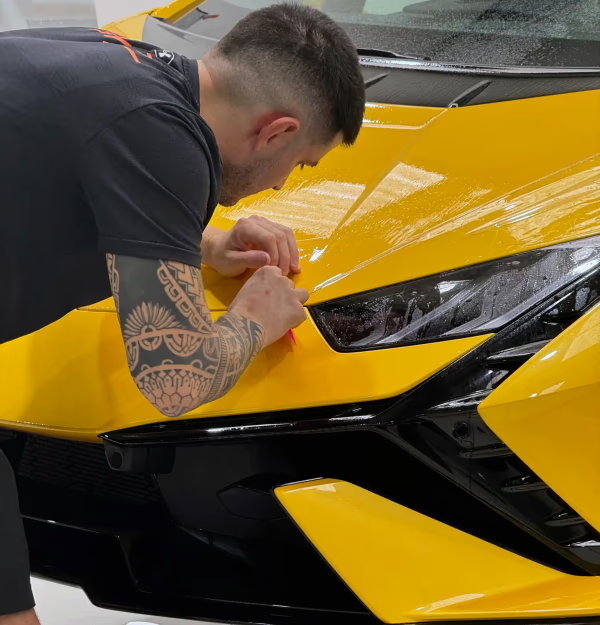
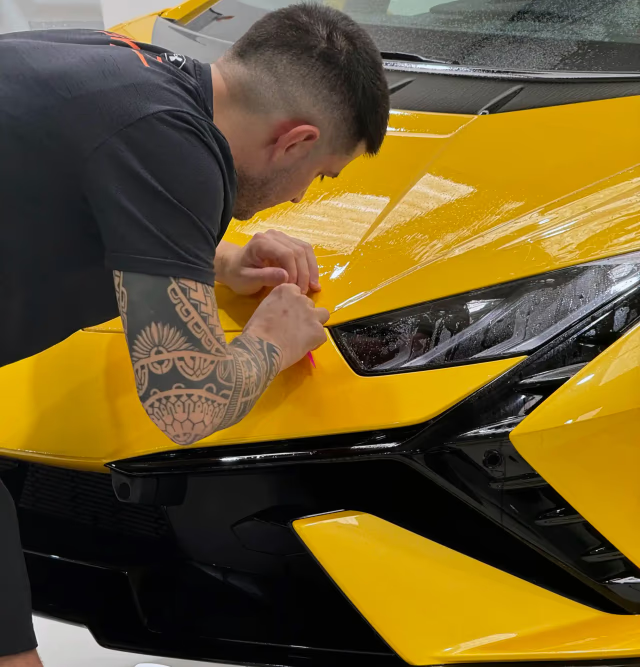
A thick, optically clear urethane film fitted panel by panel over your paint. It physically absorbs what the road throws - stone chips, kerb scuffs, scratch attempts - and quality film self-heals light marks with warmth. Virtually invisible on the car, removable when you choose, and warrantied in writing by the film manufacturer.
Our PPF serviceWhat ceramic coating actually is.
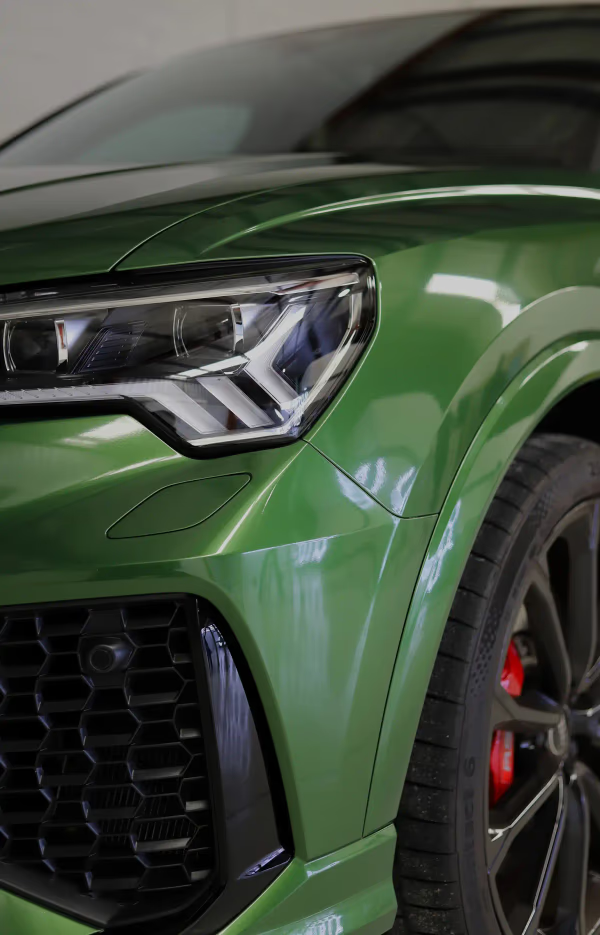
A liquid silicon-dioxide polymer that chemically bonds to the clear coat and cures into a hard, hydrophobic layer. Water beads and sheets off, washing gets easier, gloss deepens, and the chemistry that eats paint - droppings, sap, UV, bore water - loses its grip. What it is not: a physical barrier.
Ceramic coating in PerthWhen each one wins.
PPF wins when…
- - Daily freeway commutes - Kwinana, Mitchell, Tonkin gravel included
- - New prestige or performance cars being kept long-term
- - Off-road and country-road kilometres
- - Matte or special finishes that can't be spot-repaired
Ceramic wins when…
- - Gloss, beading and easy washing as the priority
- - Garaged cars that see careful kilometres
- - A tighter budget that still wants real protection from chemistry
- - Keeping a fresh correction looking corrected
Stack both when…
- - PPF on the front, ceramic over the whole car - the common-sense stack
- - Show-standard finishes that also get driven
- - One-and-done owners who don't want to think about paint again
There are also films that build the coating in - SunTek Reaction pairs PPF's impact layer with a ceramic-style top coat in one product. Ask about it if you want the stack without two visits.
FAQ
The questions this decision always raises.
Do I need both PPF and ceramic coating? +
Need, no. Benefit from, often - film absorbs the impacts, coating adds the gloss and easy washing. The honest combination for most owners: PPF on the impact zones, ceramic over the lot. If the budget only stretches to one, choose by your biggest risk - stone chips point to PPF, wash-and-wear points to ceramic.
Can I add ceramic coating over PPF? +
Yes - it's a common stack and the two work well together. The coating keeps the film cleaner and slicker; the film keeps doing the impact work underneath. There are also films with a ceramic-style top coat built in, like SunTek Reaction.
Does ceramic coating stop rock chips? +
No. A coating is microns thin - it resists chemistry (droppings, sap, UV, wash marring), not physics. Any product promising chip protection from a coating is overreaching. Chips are PPF's job.
Which lasts longer, PPF or ceramic? +
Quality PPF is generally the longer-lived layer, and it's warrantied by its manufacturer in writing. Coating longevity depends heavily on the product tier and how the car is washed. Both are confirmed in your quote - with the manufacturer's documentation, not a guess.
Will PPF yellow over time? +
Early-generation films earned that reputation. Modern quality films are engineered against yellowing and carry manufacturer warranties that cover it - another reason the film brand on your quote matters more than the price on it.