Guides & info
Vehicle wrapping, explained.
A vehicle wrap is an engineered vinyl film fitted over your paint - it changes the colour, carries a brand or adds a working layer, and comes off again without touching what's underneath. Here's how it actually works, from the people who do it every day.
The anatomy
Three layers do all the work.
A wrap isn't paint in sticker form - it's a purpose-built system, and each layer has one job.
The film
Cast vinyl, a fraction of a millimetre thick, engineered to stretch around curves and recesses without fighting back. The colour and texture are in the film itself - it isn't painted on.
The adhesive
Pressure-activated, with tiny air-release channels so bubbles can be worked out during fitting. It's repositionable while we install, then settles in and holds for the life of the wrap.
The laminate
Printed graphics get a clear laminate over the ink - it takes the sun and the wash brush so the print doesn't have to. Colour-change films build that protection into the face film.
Three jobs a wrap can do.
Change the colour
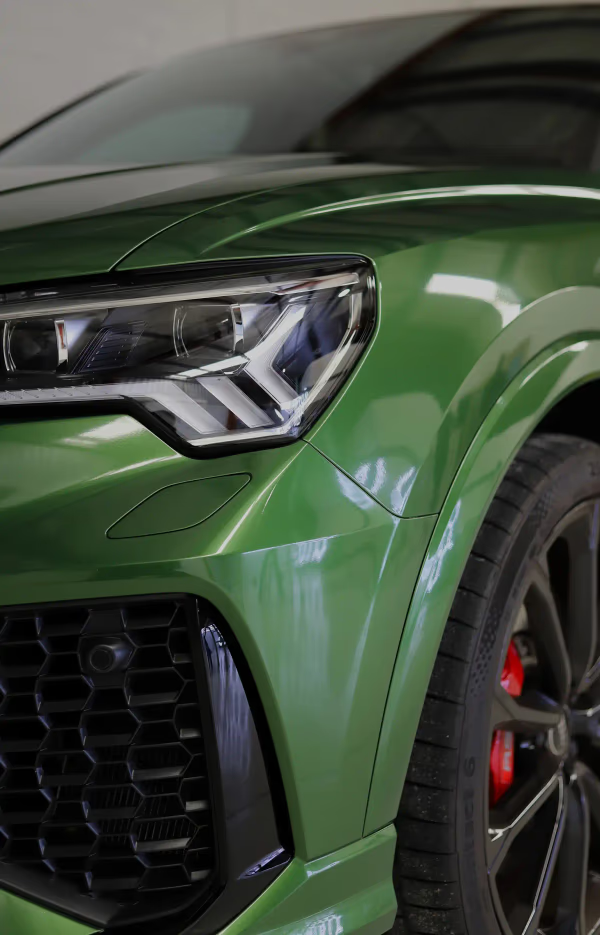
Gloss, satin, matte or colour-shift - a new look over healthy factory paint, reversible when you want the original back.
Colour change wrapsCarry the brand
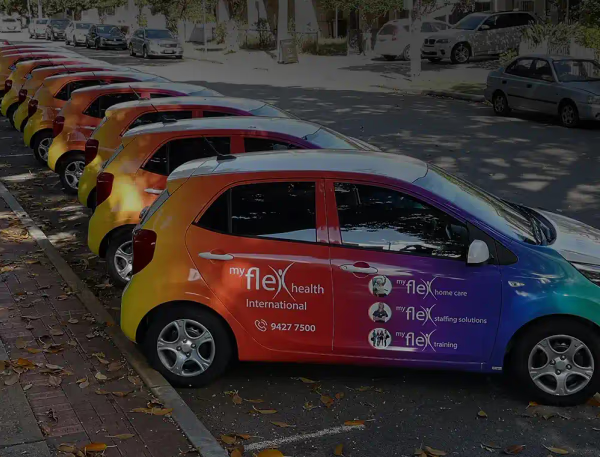
Printed signage wraps turn work utes, vans and trucks into advertising that clocks on every time the vehicle leaves the yard.
Vehicle brandingProtect the paint
That's a different product - paint protection film is a clear urethane, thicker and self-healing, built purely for impact. Same logic, different film.
Paint protection filmIn the bay
How flat film becomes part of a curved car.
Every wrap starts with decontamination - wash, clay, alcohol wipe-down, and trim removed where the job calls for it. Film hides nothing: whatever is on the panel when the vinyl goes down is sealed under it, which is why preparation takes as long as it does.
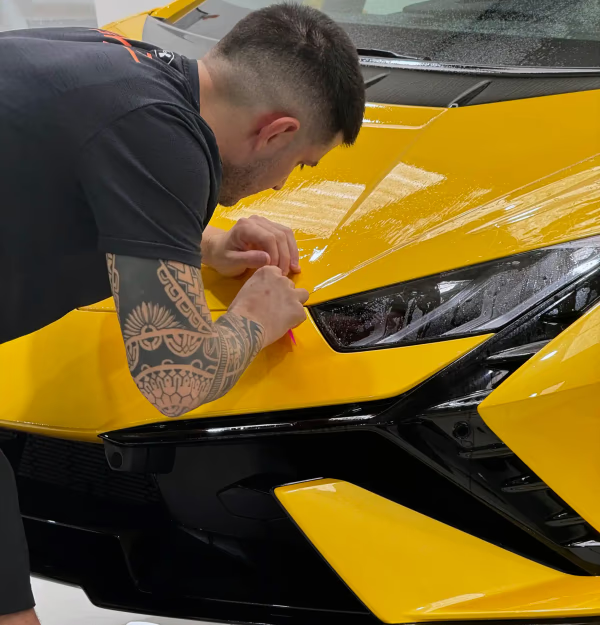
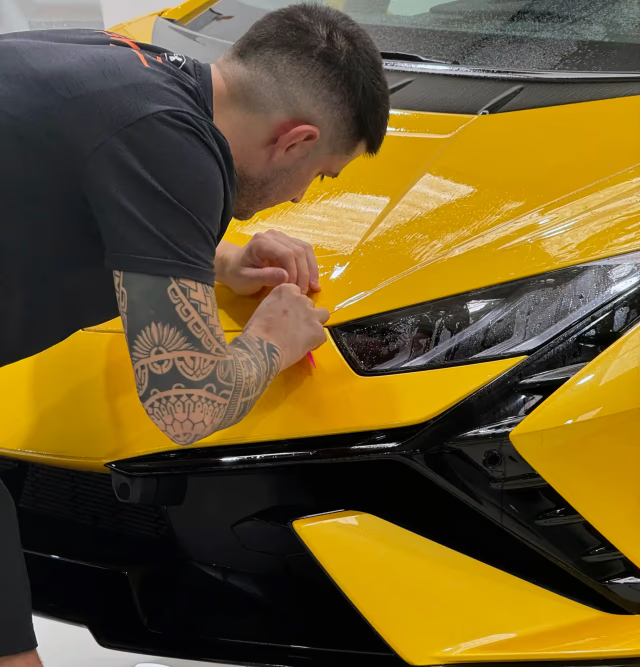
The film goes on with low initial tack, gets squeegeed from the centre out, and is worked panel by panel. Heat is the tool that does the magic - warmed cast vinyl stretches into recesses, around mirrors and over compound curves, then shrinks back tight as it cools.
Edges are where wraps live or die. We wrap them around the panel or tuck them behind trim, then post-heat every stretched zone so the film's memory is set to its new shape - that's what stops edges creeping back in summer.
All of it happens indoors in a controlled bay. Dust under film shows forever, and vinyl only behaves in the right temperature window - a carpark wrap is a short-lived wrap.
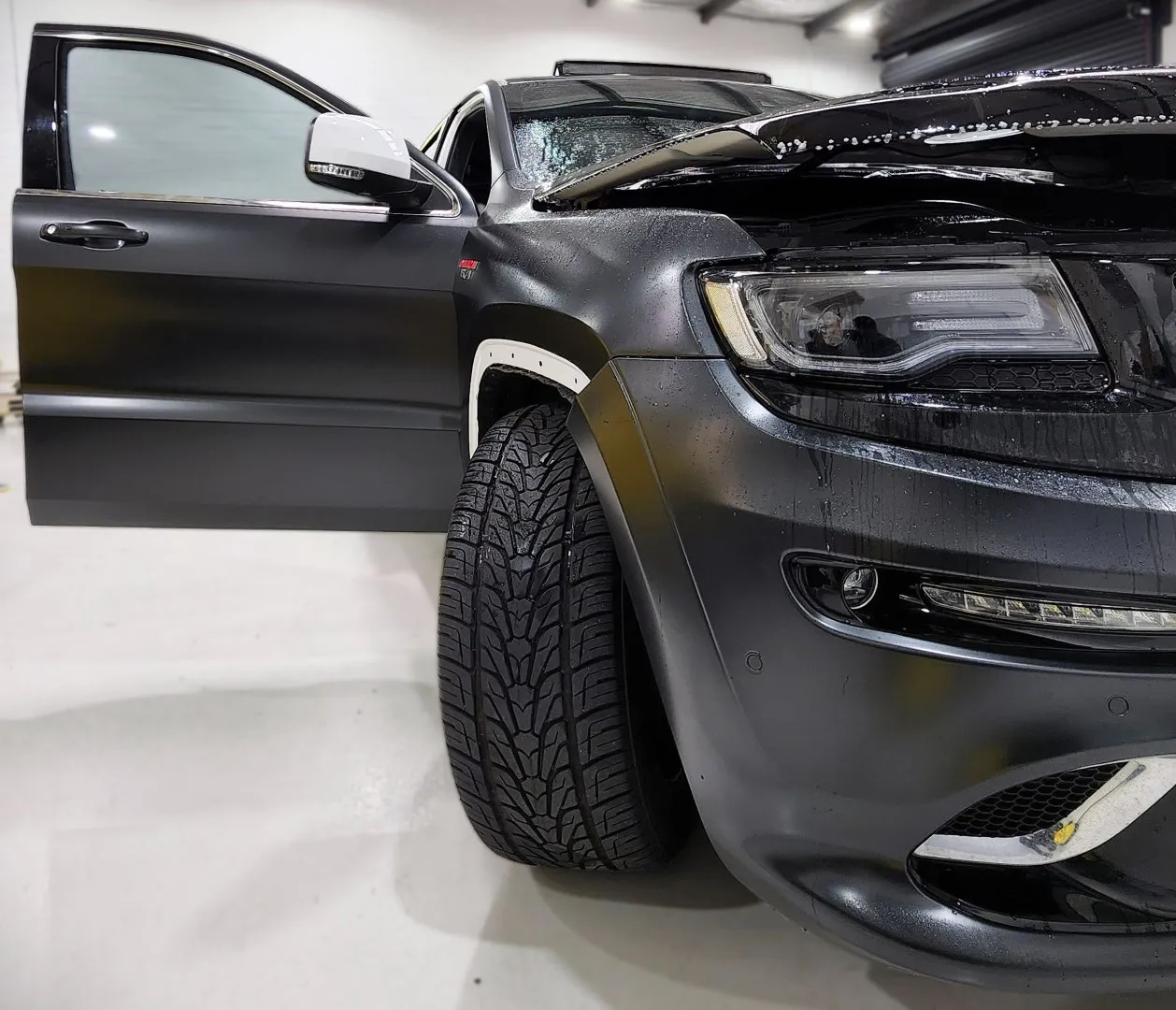
Edges set with heat - the detail that decides whether a wrap survives summer.
Films & finishes
Cast or calendared - the difference you can't see on a swatch.
Cast film
Made by pouring liquid vinyl onto a casting sheet, so the film has no built-in tension. It stretches into complex curves, stays where it's put and holds colour in hard sun. This is what we wrap vehicles with - films from 3M, Avery Dennison and Arlon among them.
Calendared film
Rolled out under pressure like pastry, which leaves shrink memory in the sheet. Fine for flat signage and short-term stickers - but on a bumper it fights the curve from day one, and Perth heat referees that contest quickly.
Finishes straight off the roll:
- Gloss
- Satin
- Matte
- Colour-shift
- Textured & carbon
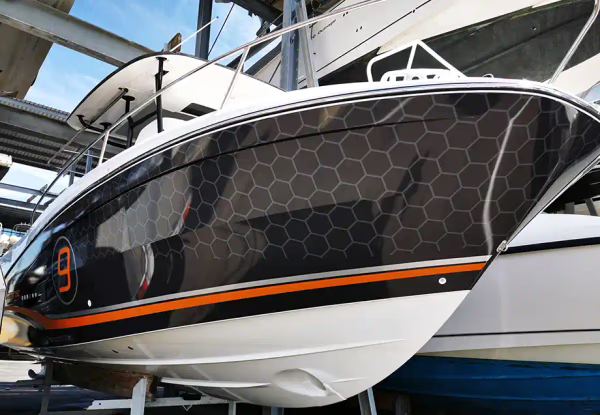
- Printed graphics
Wrap or respray?
| Vinyl wrap | Respray | |
|---|---|---|
| What changes | Colour, finish and graphics - over the original paint | The paint itself, permanently |
| Time off the road | Measured in days | Typically weeks for comparable quality |
| Reversible | Yes - removed professionally, factory colour returns | No |
| Resale story | Original paint preserved underneath | Non-factory paint can raise questions |
| Right for | Changing the look of a healthy car | Restorations and damage repair |
Longevity
What actually decides how long a wrap lasts.
Nobody can promise you a number without knowing how the car lives - but the factors are no mystery.
Sun exposure
UV is the thing that ages vinyl. A car garaged at night and parked under cover at work keeps its finish years longer than one that lives on the street.
Horizontal panels
Bonnets and roofs face the sky, so they age first - the same way they do on paint. Vertical panels barely feel the sun by comparison.
How it's washed
Hand washing is the wrap's best friend. Automatic brush washes drag grit across the finish and worry at edges every single visit.
Film grade
Premium cast film with a proper face and adhesive outlasts budget material by years - the price difference is small against the install labour it protects.
Will it damage the paint? The honest answer.
On healthy factory paint, no - that's most of the point. Quality film removed properly, with heat and patience, comes off clean and leaves the original finish as it was. It's why wraps work for leased and novated vehicles, and why a wrapped car can go back to factory colour before resale.
The caveat we'll always tell you about up front: paint that's been resprayed, repaired or is already failing can lift with any film. If your car has had panel work, we check it during the quote and tell you straight what's safe to wrap.
So what does all this cost?
Wrap pricing moves with vehicle size, panel complexity, film choice and coverage - which is why one number in a headline is never honest. We keep the full Perth pricing guide on its own page, updated against what jobs actually cost in our bay.
Read the vinyl wrap cost guideWhat a wrap costs in Perth
Guide pricing by service, the factors that move a quote, and how to compare quotes properly.
Keep readingCaring for a wrap
Washing, parking and the first-fortnight rules that decide how long the finish lasts.
Keep readingReady to talk details?
The vehicle wrapping hub - colour change and branding, designed and installed in Osborne Park.
Keep readingFAQ
What Perth drivers ask when they're new to wrapping.
Is wrapping bad for the paint underneath? +
No - on healthy factory paint, film protects more than it risks. The paint underneath is shielded from sun, swirl and light scuffs while the wrap is on, and professional removal leaves it as we found it. The exception is previously resprayed or damaged paint, which we check before quoting.
How is PPF different from a vinyl wrap? +
Different films for different jobs. A vinyl wrap is about looks - colour, finish, graphics. Paint protection film is a thicker, clear urethane that absorbs stone chips and self-heals light scratches. Plenty of cars run both: PPF on the impact zones, wrap for the look.
Can you wrap over stone chips or dents? +
Film follows the surface exactly, so chips and dents telegraph through - a wrap won't hide damage, and broken paint edges can lift film early. Small imperfections get assessed at quoting; anything significant is worth repairing before wrapping.
Can I wrap just part of my car? +
Yes - bonnets, roofs, mirrors and accent panels are wrapped on their own all the time. Partial wraps are also how many businesses brand work vehicles without paying for full coverage. The gloss-black roof look is a wrap more often than it's paint.
Can I put a wrapped car through a normal car wash? +
Touchless is fine; brush washes are the enemy. Spinning brushes drag grit across the film and work at the edges. A hand wash with a pH-neutral product is the routine that keeps a wrap looking installed-yesterday - the full routine is in our care guide.
Do I need to tell my insurer about a wrap? +
Usually, yes - most insurers treat a colour change or signage wrap as a vehicle modification, and it's worth having it noted so the film is covered too. A quick call with your installer's invoice figure is normally all it takes.
Visit us
Come and see film on real panels.
- Vinyl Wrapz18 Rowallan Street, Osborne Park WA 6017
- (08) 9443 8808
- Mon-Fri, 8am-4pm
- Call when you arrive and we'll guide you in.
Interactive map loading shortly